In the grand narrative of modern industrial systems, fluid control networks function much like a circulatory
system—with control valves serving as vital organs that maintain stable operations. When minute deviations in
fluid control precision occur, engineers traditionally focus their attention on the valve body itself,
attempting solutions through component replacement. Yet in today's pursuit of manufacturing excellence, we must
recognize that a control valve's performance ceiling is no longer determined by its physical form alone, but
rather by its often-overlooked "external brain" and "extended limbs"—the auxiliary components that ultimately
determine system success.
As industrial automation undergoes profound transformation, control valves have evolved beyond simple switches or
regulators. They now serve as sophisticated power units requiring precise feedback, rapid response, and
self-diagnostic capabilities. Through scientific selection and integration of auxiliary components, enterprises
can significantly enhance process stability while preemptively addressing safety risks—transitioning from
passive execution to intelligent precision. This represents not merely a technical upgrade, but a fundamental
reimagining of production value.
Why Control Valves Demand "External Intelligence"
The integration of auxiliary components constitutes far more than hardware accumulation—it represents a targeted
solution to five critical industrial challenges:
-
Enhanced precision, eliminating mechanical drift:
Prolonged operation introduces valve stem friction, packing compression forces, and medium pressure
fluctuations that create hysteresis effects. Auxiliary systems compensate for these mechanical deviations,
enabling fluid regulation with surgical precision.
-
Reinforced safety architecture:
During extreme conditions or system failures, control valves require instinctive responses. Auxiliary
components ensure millisecond-level transition to predefined safe states—whether full open, closed, or
maintained position—establishing physical safeguards.
-
Optimized dynamic response:
In high-speed process environments, signal transmission delays become the primary adversary. Through
pressure amplification and signal conversion optimization, systems achieve near-perfect synchronization
between command and action.
-
Real-time monitoring transparency:
Modern industry demands visible processes. Auxiliary components transform valve physical states into digital
signals, enabling control centers to monitor exact positions and verify fluid routing accuracy.
-
Predictive diagnostics:
Operational data collected through auxiliary systems enables deep analysis to identify wear patterns,
sticking tendencies, or air circuit leaks—transitioning from reactive repairs to proactive maintenance.
Core Components: The Precision Puzzle of Industrial Control
Eight fundamental components form the essential building blocks of modern control valve systems:
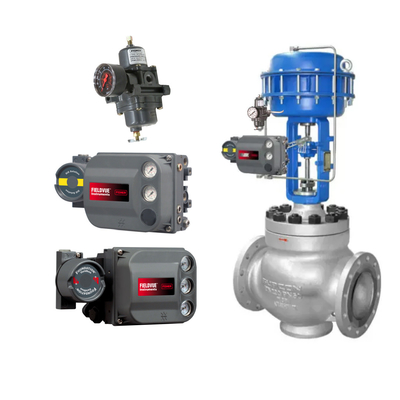
1. Valve Positioners: The "Cognitive Center"
Positioners serve as performance amplifiers by continuously comparing control signals with actual stem positions.
Their feedback mechanisms eliminate dead zones, enabling precise movement even with minimal signal variations.
Whether implementing split-range control or modifying flow characteristics, positioners provide exceptional
operational flexibility.
2. I/P Converters: The "Linguistic Bridge"
These components mediate between electrical control rooms and pneumatic field devices, translating 4-20mA
signals into precise air pressure outputs. This signal conversion enables flawless execution of automated
closed-loop control.
3. Volume Boosters: The "Performance Amplifier"
When actuators require rapid movement or handle substantial loads, standard air supply proves insufficient.
Boosters directly tap main air supplies to deliver high-flow reinforcement, ensuring thunderous response speeds
during high-pressure differentials or emergency shutoffs.
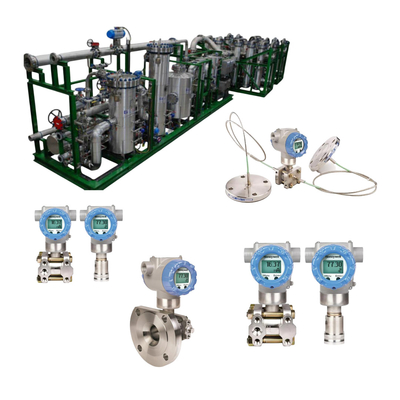
4. Position Transmitters: The "Operational Compass"
Transmitters convert mechanical valve positions into standardized electrical signals, creating independent
feedback loops that verify system integrity without physical inspection.
5. Solenoid Valves: The "Safety Executor"
As final safeguards in Safety Instrumented Systems (SIS), solenoids instantly interrupt or release air circuits
upon power loss or hazard detection, forcing valves into predetermined safe states within milliseconds.
6. Limit Switches: The "Position Verifier"
These devices provide definitive open/closed confirmation through physical contacts, delivering unambiguous
status verification to prevent process deviations.
7. Air Lock Relays: The "Pressure Guardian"
During sudden air supply failures, these components trap residual actuator pressure to prevent unintended valve
movement, buying crucial response time.
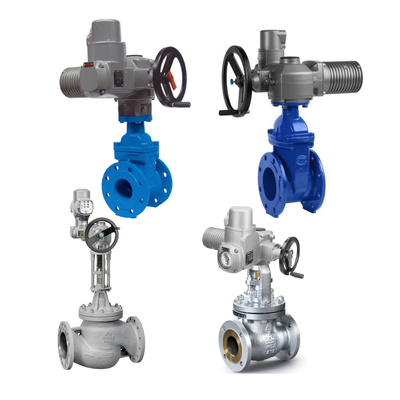
8. Manual Handwheels: The "Mechanical Last Resort"
Regardless of automation sophistication, manual override capability remains an industrial imperative. Handwheels
serve dual purposes as mechanical stops and emergency intervention tools during system failures.
Optimization Through Strategic Selection
Effective control valve systems represent carefully orchestrated component symphonies rather than random
hardware assemblies. Each auxiliary selection reflects meticulous process analysis and performance
requirements. Proper configuration not only extends service life but dramatically reduces unplanned
downtime—creating sustained production value.
As Industry 4.0 advancements continue, focus must expand beyond valve materials and machining to encompass these
performance-defining auxiliary systems. Precision components represent the most pragmatic pathway toward
automated excellence—where meticulous attention to detail translates directly into operational superiority and
competitive advantage.


 メッセージは20〜3,000文字にする必要があります。