現代の産業文明の壮大な物語では 流体制御システムは 人間の体の血管ネットワークに似ています制御バルブがシステム均衡を維持する重要な臓器として機能する. When control valves fail to respond precisely to commands—causing production deviations or triggering cascading quality fluctuations—the root cause often lies not in mechanical failure but in the absence of a real-time sensing精密な産業プロセスでは,単純な信号伝送は,常に変化する運用課題に対して不十分であることが証明されます.精密な楽器に変形するこの重要な装置として現れる閉鎖回路産業制御を可能にする.
第1章 工業精度を定義する バルブ位置付け機の基本論理
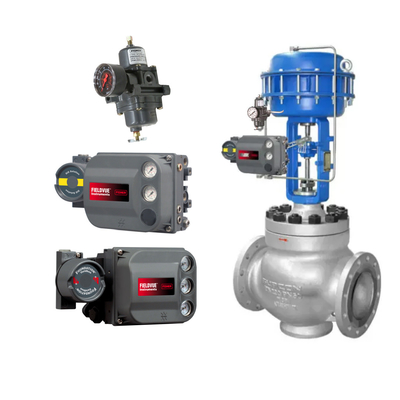
制御ループの中心的な"意思決定ハブ"になるために,補助装置としての役割を超越します.基本操作は,制御器のコマンド信号 (例えば4-20mA) とバルブアクチュエータの実際の位置 (機械的なフィードバック) のリアルタイム比較を含む., 閉ループ調節を可能にします.空気性線形弁の横軸に,または回転式弁の軸末に,バルブ位置と制御信号の完璧な同期を確保誤差が発生すると,位置付け機は即座に調整気圧を出力し,正確な位置付けが達成されるまで動作装置の動きを調整します.この"フィードバック調整"メカニズムは,原材料から精製された制御への産業自動化の進化の基礎を構成しています.
第2章 価値再構築 ポジショナーによって可能になる10つの核心能力
現在の生産効率の向上を目指すため ポジショナライザーは 選択的なアクセサリーから プロセス品質の向上のための不可欠なツールへと進化してきました基本的価値提案には:
-
制御精度が向上するマイクロンレベルの移動検出により,複雑なプロセスの調整が精密に調整され,偏差は最小限に抑えられます
-
迅速な対応内蔵された高性能アンプは,充電/排気時間を大幅に短縮し,ダイナミックレスポンス能力を向上させる.
-
柔軟なスプリントレンジ制御シグナル範囲の構成により,単一のコントローラが複数のバルブを動かすことができ,システムアーキテクチャを最適化します.
-
摩擦軽減:ローターバルブシール摩擦を克服し,スムーズな開口/閉口を"スティック・スライド"現象なしに保証します.
-
シグナル互換性業界標準の 4-20mA 電子信号とシームレスな統合
-
ヒステレシス除去:連続トルク補償は高温グラフィット包装による摩擦遅延を抑制し,線形性を維持します
-
干渉防止能力:液体による圧力変動の自動補償は,バルブ位置を安定させる.
-
曲線最適化回転弁の特徴的なキャムにより,機械/電子手段によってカスタマイズされた流量特性が可能になります.
-
エネルギー効率:インテリジェントな空気供給制御により 圧縮空気の廃棄物が大幅に減少し 運用コストも低下します
-
予測型メンテナンスストレッチ,摩擦,空気密度のリアルタイムモニタリングにより 反応性修理から予測性保守への移行が容易になります
第3章 テクノロジーの進化 4つの位置付け器のカテゴリー
パネウマティック位置装置:産業制御の先駆者は,純粋な空気フィードバックを通じて 3-15 psig の気圧信号を直接処理します.
電動位置装置:電気モーターを介して 4-20mA の信号を直接機械的な動きに変換し,高トルクアプリケーションに最適です.
電気気圧定位装置:自動化領域を橋渡しすることで 電流信号を気力出力に変換し 電気の便利さと気力発電を組み合わせます
デジタル (スマート) ポジショナー:インダストリー 4.0 の 標準 搭載 装置 は,操作 データ を リアルタイム で 監視 する 際 に 精密 制御 の ため に マイクロ プロセッサー を 組み込み て い ます.アナログ 搭載 装置 と 比べ て は,空気 効率 が 優れています.,スマートファクトリーに最適化されています.
第4章 ブランドビジョン 未来の産業の強化
ポジショニング機器の選択は部品の調達を超越し,生産効率と製品品質を向上させる体系的なソリューションへの投資を意味します.テクノロジーが アナログからデジタルへと進歩するにつれて先端の制御アルゴリズムと 堅牢な産業設計を統合して 生産ラインを前例のない精度 知能 効率へと推進します
精密な制御の追求において 私たちは 堅固なパートナーとして立っています全てのバルブに"インテリジェンス"を装備し 全ての産業プロセスを完璧にすることです これは単なる約束ではなく 産業自動化の未来に対する 深いビジョンです.


 メッセージは20〜3,000文字にする必要があります。