How to Select the Right Control Valve Size
Selecting the correct control valve size is important for stable process control, reliable operation and long service life. A valve that is too large may operate close to the closed position and provide poor control, while a valve that is too small may not provide sufficient flow capacity.
For this reason, control valve sizing should be based on the actual process conditions rather than simply matching the valve size to the pipeline diameter.
This guide explains the key factors to consider when selecting the right control valve size for industrial applications.
1. Start With the Process Conditions
Before selecting a control valve, collect the basic process data.
The most important parameters include:
- Fluid type
- Minimum, normal and maximum flow rate
- Upstream pressure
- Downstream pressure
- Operating temperature
- Pipeline size
- Fluid density
- Viscosity
- Vapor pressure for liquids
- Gas compressibility for gases
These parameters determine the required flow capacity and help engineers select the appropriate valve type and size.
A complete process datasheet is therefore one of the most important inputs for control valve sizing.
2. Don't Select the Valve Size Only by Pipe Size
One common mistake is assuming that a control valve should always have the same nominal size as the pipeline.
For example, a 4-inch pipeline does not necessarily require a 4-inch control valve.
The correct valve size depends on the required flow capacity and pressure drop.
A smaller valve may be suitable when the required flow is relatively low, while a larger valve may be necessary for high-flow applications.
The pipeline size should therefore be treated as one selection parameter rather than the only sizing criterion.
3. Understand Cv and Flow Capacity
Cv is one of the key parameters used in control valve sizing.
It represents the valve's flow capacity under defined conditions. In general, a higher Cv means that the valve can pass more flow under comparable conditions.
When selecting a valve, engineers typically determine the required Cv from the process flow rate, pressure drop and fluid properties.
The selected valve should provide sufficient capacity for the required operating range without being excessively oversized.
For detailed engineering projects, the appropriate sizing method and equations should be applied according to the fluid type and applicable engineering standards.
4. Consider Pressure Drop
Pressure drop is another critical factor in control valve sizing.
The valve must provide enough pressure drop to control the process effectively, but excessive pressure drop can create unnecessary energy loss and may cause problems such as cavitation or noise in liquid and gas applications.
Consider:
Upstream Pressure → Control Valve → Downstream Pressure
The difference between upstream and downstream pressure is an important input for determining valve capacity.
For high-pressure applications, the pressure drop should be carefully evaluated under minimum, normal and maximum flow conditions.
5. Consider the Fluid Type
Different fluids require different sizing considerations.
Liquids
For liquids, engineers should consider:
- Flow rate
- Pressure drop
- Density
- Viscosity
- Vapor pressure
- Cavitation risk
Gases
Gas sizing requires consideration of:
- Flow rate
- Upstream pressure
- Downstream pressure
- Temperature
- Molecular weight
- Compressibility
Steam
Steam applications require appropriate consideration of:
- Steam pressure
- Temperature
- Flow rate
- Pressure drop
- Steam condition
Therefore, a control valve suitable for water cannot automatically be used for steam or gas simply because the pipeline size is the same.
6. Avoid Oversizing the Control Valve
Oversizing is a common issue in control valve selection.
A valve that is significantly larger than necessary may operate near its closed position during normal conditions. This can reduce controllability and make it more difficult to achieve stable process regulation.
Potential problems include:
- Poor control at low flow
- Unstable valve operation
- Reduced effective control range
- Increased cost
- Unnecessary pressure loss
The goal is not to select the largest possible valve. The goal is to select a valve with appropriate capacity for the actual operating conditions.
7. Check the Valve Type and Trim
Sizing should not be separated from valve selection.
Depending on the application, engineers may consider:
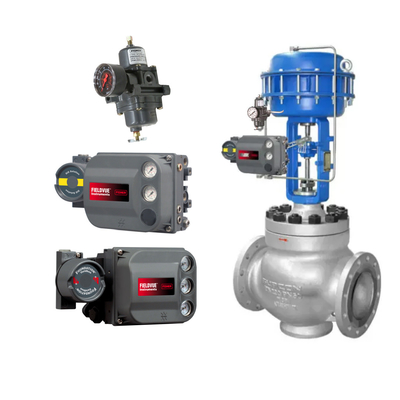
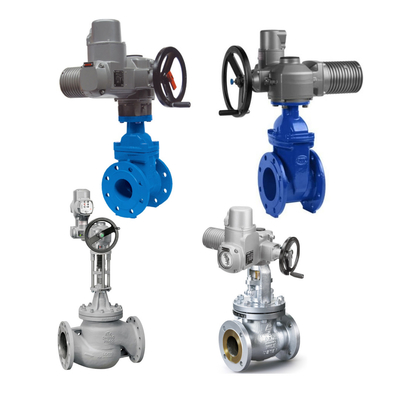
- Globe control valves
- Rotary control valves
- Ball control valves
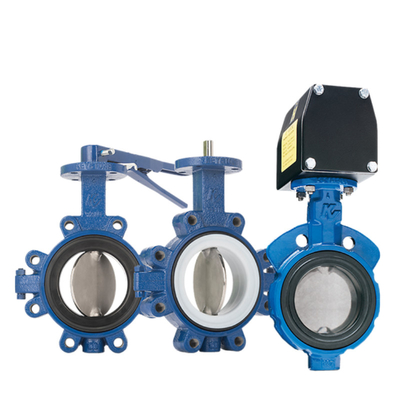
- Butterfly control valves
- Angle control valves
The valve trim is also important because different trim designs can provide different flow characteristics and capacity.
Common flow characteristics include:
- Linear
- Equal percentage
- Quick opening
The appropriate characteristic depends on the process control requirements.
Industrial control valve suppliers may provide products from manufacturers such as Fisher, Samson, Masoneilan, Flowserve, Metso/Neles and Koso, depending on the required valve design and application.
8. Check the Operating Range
A control valve should not be sized only for the maximum flow rate.
It is important to consider:
Minimum Flow → Normal Flow → Maximum Flow
The valve should provide effective control across the expected operating range.
For applications with large variations in flow demand, the required turndown and valve rangeability should be considered during the selection process.
9. Information Needed for a Control Valve Quote
When requesting a quotation, provide as much process information as possible.
A typical control valve inquiry should include:
✓ Fluid / medium
✓ Minimum / normal / maximum flow
✓ Inlet pressure
✓ Outlet pressure
✓ Operating temperature
✓ Pipeline size
✓ Required valve size, if known
✓ Valve body material
✓ Connection type
✓ Fail position
✓ Actuator type
✓ Required accessories
If available, a control valve datasheet or process data sheet is the best reference for valve selection and sizing.
Control Valve Sizing Checklist
Before selecting a control valve, make sure you know:
Flow Rate + Pressure + Temperature + Fluid Properties + Pressure Drop + Pipeline Size + Control Requirements
The final valve size should be determined from the actual process conditions and required flow capacity rather than simply matching the pipeline diameter.
Need Help Selecting a Control Valve?
Choosing the right control valve size requires consideration of flow rate, pressure drop, temperature, fluid properties and control requirements.
If you are unsure about the appropriate valve size or configuration, provide your medium, flow rate, inlet pressure, outlet pressure, temperature and pipe size. Our technical team can help review the application and recommend a suitable control valve configuration.
We supply industrial control valves and related accessories from major international brands, including Fisher, Samson, Masoneilan, Flowserve, Metso/Neles and Koso, as well as other industrial valve solutions.
Request a Control Valve Configuration Check and Quotation. 

 メッセージは20〜3,000文字にする必要があります。